Checking out the Devices Behind Fenbendazole and Its Influence On Animal Wellness
Fenbendazole is a widely made use of anthelmintic known for its effectiveness versus different parasites. Its primary mechanism includes the restraint of microtubule development, which interferes with important procedures in these virus. Past its antiparasitic properties, fenbendazole also appears to improve immune reactions and possesses anti-inflammatory benefits. Comprehending these complex results can reveal brand-new applications for animal wellness. Nevertheless, inquiries continue to be regarding its complete capacity and safety and security profile.
The Pharmacokinetics of Fenbendazole
The pharmacokinetics of fenbendazole, an extensively used anthelmintic in vet medication, includes the research of its absorption, circulation, metabolic rate, and discharging within pet systems. After administration, fenbendazole is swiftly taken in from the intestinal system, with peak plasma focus taking place within hours. Its distribution is influenced by factors such as cells binding and lipid solubility, enabling it to pass through different tissues properly. The drug goes through considerable metabolic process primarily in the liver, where it is exchanged active and inactive metabolites. These metabolites play a role in the drug's overall effectiveness and security profile. Excretion happens mainly via feces, with a smaller sized percentage removed through pee. The half-life of fenbendazole differs among types, which impacts dosing programs. Comprehending these pharmacokinetic homes is important for enhancing its restorative usage and making sure effective bloodsucker control in veterinary techniques.
Devices of Activity Versus Bloodsuckers
Fenbendazole applies its antiparasitic impacts mostly through the restraint of microtubule formation in bloodsuckers. This disruption influences their structural honesty and cellular functions, causing impaired power metabolic process. Therefore, the medicine efficiently endangers the survival and reproduction of various parasitic organisms.
Restraint of Microtubule Formation
Inhibition of microtubule development stands for an important mechanism whereby certain anthelmintic representatives, including fenbendazole, exert their effects on bloodsuckers. Fenbendazole binds to tubulin, a healthy protein that forms microtubules, interrupting the polymerization procedure necessary for microtubule assembly. This interruption impairs crucial cellular functions, including mitosis, intracellular transport, and structural stability. As microtubules play a vital function in keeping the form and feature of parasitical cells, their restraint leads to cell cycle apprehension and ultimate death of the parasite. This mechanism is particularly reliable against nematodes, as their reliance on microtubules for mobility and nutrient absorption makes them vulnerable to fenbendazole. Consequently, the restraint of microtubule development is a vital element of fenbendazole's restorative efficacy in veterinary medicine.
Disturbance of Basal Metabolism
Interfering with power metabolic rate is one more essential system whereby fenbendazole targets parasitical organisms. This anthelmintic modifies the power manufacturing paths within bloodsuckers, mostly influencing their capability to produce adenosine triphosphate (ATP) By hindering sugar uptake and disrupting mitochondrial function, fenbendazole restrictions the power resources vital for the survival and recreation of these microorganisms. Therefore, parasites come to be progressively prone to ecological tensions and immune actions. The disturbance in power metabolic process not only impacts the bloodsuckers straight but likewise decreases their capability to assimilate nutrients, further harming their growth - fenbendazole. Overall, the disruption of basal metabolism represents a fundamental facet of fenbendazole's efficacy against numerous parasitic infections, adding greatly to enhanced pet wellness outcomes
Prospective Negative Effects and Security Account
The possible side impacts and security profile of fenbendazole warrant mindful consideration, particularly in veterinary applications. While normally considered secure, some pets might experience negative responses, consisting of gastrointestinal disruptions such as throwing up and diarrhea. Furthermore, neurological signs and symptoms, although rare, have actually been reported in delicate individuals, highlighting the need for surveillance during treatment.

Fenbendazole's security in different types, consisting of dogs and felines, has been documented, however dose and period of therapy have to be thoroughly handled to decrease dangers. Pregnant or lactating animals might likewise need unique interest, as the impacts on creating unborn children or nursing children are not completely recognized.
Normal veterinary consultations can aid mitigate prospective adverse effects and ensure the medication is provided suitably. As a result, while fenbendazole is a reliable anthelmintic representative, vigilance concerning its adverse effects is crucial for preserving animal health and wellness.

Fenbendazole's Impact on Immune Feature
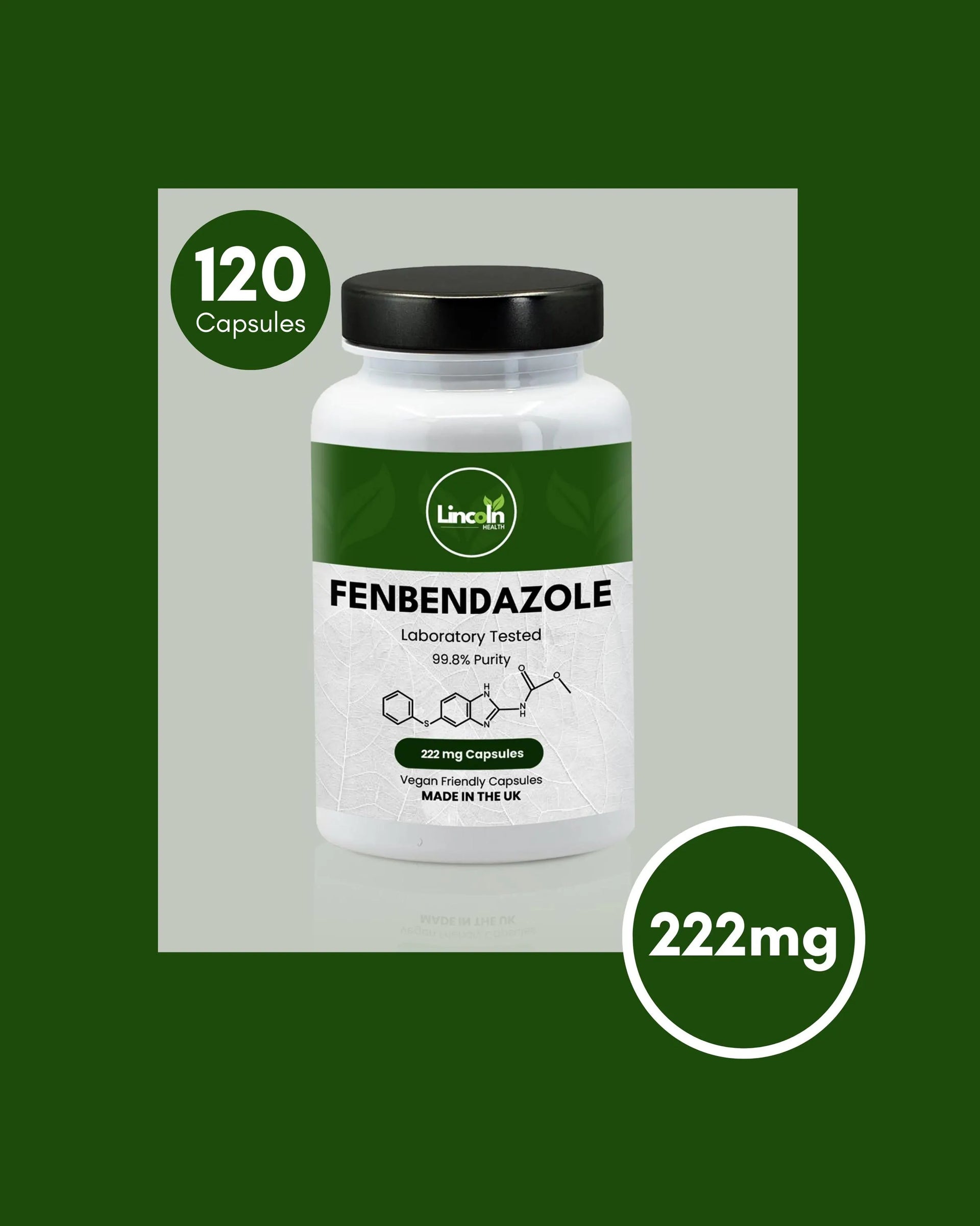
Fenbendazole has actually been kept in mind for its prospective to regulate immune system reactions in animals. Its anti-inflammatory properties may add to boosted immune feature, giving a twin benefit in handling wellness (222 mg). Recognizing these effects is essential for assessing fenbendazole's duty in veterinary medicine
Immune System Inflection
Anti-inflammatory Properties
Anti-inflammatory results stand for a substantial facet of fenbendazole's impact on immune function. Research study suggests that fenbendazole might lower the manufacturing of pro-inflammatory cytokines, which are essential in mediating inflammatory reactions. By modulating these cytokines, fenbendazole can possibly reduce inflammation-related problems in pets. This anti-inflammatory action not just aids in handling signs connected with different illness however additionally enhances total body immune system efficiency. Furthermore, its capacity to advertise a balanced immune feedback aids protect against extreme inflammatory damages, which can lead to persistent wellness concerns. As a result, fenbendazole's duty in swelling management highlights its relevance in vet medication, offering a dual advantage of antiparasitic action and immune system assistance for animal wellness.
Applications Past Traditional Parasitic Infections
While mostly acknowledged for its efficiency versus different parasitic infections, fenbendazole has actually garnered focus for potential applications past this conventional scope. Current research studies recommend that fenbendazole may have helpful results on cellular health and immune response, making it a fascinating prospect for managing other wellness problems in animals. Its reported anti-inflammatory properties may supply relief for pets enduring from visit this page chronic inflammatory illness. In addition, some research study indicates that fenbendazole might contribute in sustaining the general health of pets by enhancing vitamins and mineral absorption and stomach health. In addition, its prospective as a complement therapy in cancer cells treatment has actually sparked passion, as initial searchings for suggest it might inhibit growth cell growth in certain contexts. These varied applications highlight fenbendazole's versatility, encouraging further exploration into its diverse benefits for pet wellness past its traditional usage as a deworming agent.
Future Study Instructions and Ramifications for Animal Health And Wellness
The exploration of fenbendazole's potential applications has opened brand-new avenues for study targeted at improving animal wellness. Future researches can concentrate on its effectiveness versus a more comprehensive range of microorganisms, consisting of germs and infections, therefore expanding its function in veterinary medication. The effects of fenbendazole's mechanisms, such as its influence on immune inflection, warrant additionally investigation to comprehend exactly how it can bolster total health and wellness in various species.
Furthermore, research study may explore ideal does and formulations to maximize efficacy while decreasing potential negative effects. Checking out fenbendazole's synergistic effects with various other medicines can bring about much more efficient treatment procedures. Longitudinal research studies examining lasting results in pets treated with fenbendazole could give valuable insights into its safety and effectiveness. Generally, the continued exploration of fenbendazole uses encouraging possibility to boost animal wellness, requiring a collective method amongst researchers, veterinarians, and pharmaceutical designers to promote developments in this location.
Regularly Asked Concerns
Can Fenbendazole Be Utilized in Animals for Parasite Avoidance?
The concern of whether fenbendazole can be used in livestock for parasite avoidance is appropriate, as producers seek effective our website treatments (fenbendazole 444). Study indicates it might supply benefits, but proper guidelines and vet suggestions are necessary for risk-free use
What Is the Suggested Dose of Fenbendazole for Various Pets?
Are There Any Kind Of Known Drug Communications With Fenbendazole?
Present knowledge suggests that fenbendazole may interact with particular medications, potentially affecting their effectiveness or metabolic process. Vet experts advise seeking advice from a vet to examine private animal situations and identify any kind of possible interactions prior to management.
Just How Does Fenbendazole Contrast to Other Antiparasitic Medicines?
Fenbendazole is often compared to various other antiparasitic medicines based on effectiveness, range of task, and safety and security profiles. It check it out is favored for its efficiency against a vast range of parasites while usually exhibiting minimal adverse effects in animals.
Is Fenbendazole Effective Versus Viral or Bacterial Infections in Pets?
The efficiency of fenbendazole versus viral or microbial infections in pets stays unproven. Study mainly concentrates on its antiparasitic buildings, with restricted proof supporting any role in treating non-parasitic infections in vet medicine.